
Understanding pg soft Ingredients in Italian Cuisine
Italian cuisine is renowned for its rich flavors and high-quality ingredients. At the heart of this culinary tradition is the concept of pg soft, which refers to the harmonious blend of various elements that create authentic Italian dishes. Whether it’s the type of flour used for pizza dough or the fresh vegetables in a vibrant pasta dish, understanding these ingredients is crucial for anyone looking to elevate their cooking. It is essential to recognize that each ingredient plays a significant role in achieving that perfect balance of taste and texture. When exploring options, pg soft provides comprehensive insights into the best practices for ingredient selection.
What Makes pg soft Unique?
pg soft is not just about the ingredients but also about how they interact with each other. The term encapsulates the essence of Italian cooking, where simplicity meets flavor. Authentic Italian recipes emphasize using high-quality, fresh ingredients that are in-season and locally sourced. This ensures that each dish is a celebration of natural flavors.
Essential Italian Ingredients and Their Uses
Some foundational ingredients in Italian cuisine include:
- Olive Oil: A staple for cooking and dressing salads, high-quality olive oil enhances the flavors of dishes.
- San Marzano Tomatoes: Renowned for their sweet taste and low acidity, these tomatoes are essential for making marinara and pizza sauces.
- Fresh Basil: This fragrant herb adds freshness and depth to pasta dishes and salads.
- Parmesan Cheese: Aged and sharp, Parmesan is often grated over dishes or used in sauces.
- Semolina Flour: Often used in pasta-making, semolina flour gives pasta its distinctive chewiness.
Using these ingredients thoughtfully can significantly enhance the overall quality of your dishes.
Crafting the Perfect Pizza at Pizzeria Madera
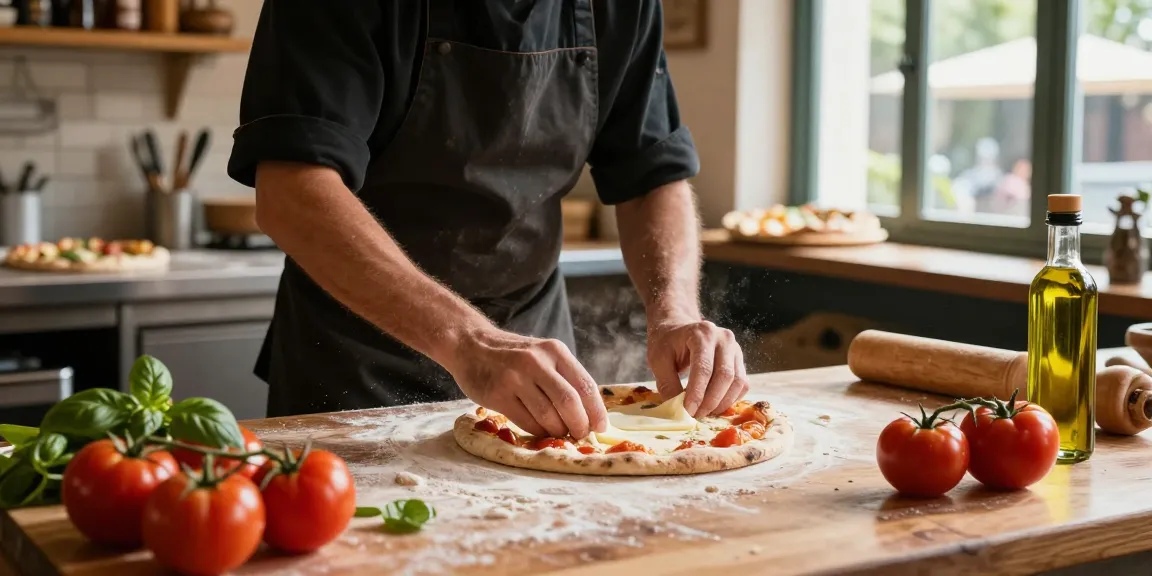
Pizza, a quintessential Italian dish, is crafted with utmost care at Pizzeria Madera, where we take pride in our artisanal approach. The fundamental aspects of pizza-making involve quality ingredients and expert techniques. The process begins with the dough, which serves as the foundation for a great pizza.
Step-by-Step Guide to Making Pizza Dough
Creating the perfect pizza dough involves a simple yet meticulous process. Here’s how:
- Mixing Ingredients: Combine high-protein flour, water, yeast, and salt. The proportions matter significantly; typically, a 60% hydration level is ideal.
- Kneading: Knead the dough until it becomes smooth and elastic. This process develops the gluten, which gives the dough its structure.
- Fermentation: Allow the dough to rise at room temperature for several hours. This fermentation process not only allows the dough to expand but also enhances the flavor.
- Shaping: Once the dough has risen, gently shape it into pizza bases without overworking it. This preserves the bubbles formed during fermentation.
- Pre-Baking (optional): Some chefs prefer to par-bake the crust for a few minutes before adding toppings to achieve a crispier base.
Top Toppings That Elevate Your Pizza Experience
Choosing the right toppings can transform a simple pizza into a masterpiece. Here are some classic and innovative topping combinations:
- Margherita: Simple yet delicious, featuring fresh mozzarella, tomatoes, and basil.
- Pesto Chicken: Grilled chicken, pesto, and sun-dried tomatoes create a flavorful option.
- Vegetarian Delight: Loaded with seasonal vegetables such as zucchini, bell peppers, and artichokes.
- Spicy Pepperoni: A crowd favorite, enhanced with spicy Italian sausage and chili flakes.
Cooking Techniques for Achieving the Best Pizza
The cooking method significantly influences the texture and flavor of pizza. Here are some techniques to consider:
- Wood-Fired Ovens: Achieving high temperatures allows for a quick bake, resulting in a crispy crust and perfectly melted cheese.
- Stone Baking: Using a pizza stone helps mimic the effects of a wood-fired oven by retaining heat and providing an even cooking surface.
- Grilling: For a smoky flavor, grilling pizza can add a unique dimension to your dish.
The Role of Pasta in Italian Cuisine
Pasta is a pillar of Italian cooking, offering endless possibilities for creativity and flavor. At Pizzeria Madera, we celebrate pasta in various forms, from classic recipes to innovative dishes that reflect modern culinary trends.
Different Types of Pasta and Their Applications
Italy boasts a rich variety of pasta shapes, each suited for particular types of sauces and preparations:
- Spaghetti: Long and thin, best paired with light sauces such as aglio e olio or marinara.
- Fettuccine: Flat and wide, ideal for creamy sauces like Alfredo.
- Penne: Tube-shaped pasta that holds sauces well, perfect for baked dishes.
- Orecchiette: Small, ear-shaped pasta that complements chunky vegetable or meat sauces.
Pairing Pasta with Traditional Sauces
Matching the right pasta with its sauce is crucial for maximizing flavor:
- Tomato-Based Sauces: Use spaghetti, penne, or fusilli for a classic pairing.
- Meat Sauces: Fettuccine or pappardelle works well with hearty ragùs.
- Oil-Based Sauces: Thin pastas like angel hair are best with light, oil-based dressings.
Innovative Pasta Dishes to Try
In addition to traditional recipes, consider trying these innovative pasta dishes:
- Pasta Primavera: A colorful mix of seasonal vegetables tossed with pasta and olive oil.
- Seafood Pasta: Combining shrimp, clams, or mussels with linguine for a taste of the ocean.
- Stuffed Pasta: Ravioli or tortellini filled with ricotta and spinach, served in a rich broth.
Exploring Antipasti and Appetizers
Antipasti are an essential part of the Italian dining experience, setting the stage for the meal to come. They offer a variety of flavors and textures that entice the palate.
Traditional Antipasti Ingredients and Their Importance
Typical ingredients in antipasti include:
- Charcuterie: Cured meats like prosciutto and salami add richness.
- Cheeses: Varieties such as mozzarella di bufala and pecorino enhance the flavor profile.
- Pickled Vegetables: These provide acidity and contrast to richer elements.
- Olives: A selection of olives adds depth and brininess.
How to Create a Delicious Antipasti Platter
To create an enticing antipasti platter, use the following guidelines:
- Variety: Include a mix of meats, cheeses, and vegetables to appeal to different tastes.
- Presentation: Arrange items artfully on a large board or platter.
- Accompaniments: Serve with crusty bread or crackers to balance the flavors.
Modern Takes on Classic Antipasti
Try these contemporary interpretations of traditional antipasti:
- Caprese Skewers: Cherry tomatoes, mozzarella, and basil drizzled with balsamic glaze on skewers.
- Bruschetta Variations: Top grilled bread with seasonal ingredients, like avocado or roasted red peppers.
- Antipasti Salad: A salad incorporating antipasti ingredients for a fresh take.
Beverage Pairings: Wine and More at Pizzeria Madera
No Italian meal is complete without the perfect beverage pairing. Wine, in particular, plays a pivotal role in Italian dining culture, enhancing flavors and elevating the overall experience.
Understanding Italian Wines and Their Flavor Profiles
Italian wines are as diverse as the regions they come from. Here are a few key varieties:
- Chianti: A medium-bodied red wine with cherry and earth notes, excellent with tomato-based dishes.
- Barolo: A full-bodied wine with bold tannins, pairing well with rich meat dishes.
- Pinot Grigio: A light and crisp white wine perfect for seafood dishes and lighter pastas.
- Prosecco: A sparkling wine that works well as an aperitif or with light starters.
Non-Alcoholic Options That Complement Your Meal
For guests seeking non-alcoholic beverages, consider offering:
- Italian Sodas: Refreshing and colorful, perfect for pairing with any dish.
- Herbal Teas: A soothing option that complements the flavors of Italian cuisine.
- Sparkling Water: A classic choice that cleanses the palate.
Crafting Your Own Italian-inspired Cocktails
Experimenting with cocktails can bring a fun twist to traditional Italian dining. Here are some ideas:
- Aperol Spritz: A refreshing mix of Aperol, Prosecco, and soda water.
- Negroni: A bold blend of gin, vermouth, and Campari, perfect as a pre-dinner drink.
- Bellini: A delightful combination of Prosecco and peach puree for a fruity treat.
